Power Outage
A Simple Preparedness Story Guide

You live on the 17th floor.
The power goes out.
At first, it seems temporary.
However, it is not.
Not for hours.
Not for a day.
Instead, for weeks.
As a result, elevators stop.
Water stops running.
Heat disappears.
At that point, one question matters most:
Should I have prepared?
This page helps you plan ahead.
Why This Matters in High-Rise Buildings
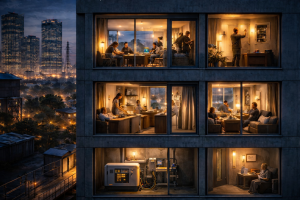
On the surface, city buildings feel strong.
In reality, they depend on power.
Electricity does more than turn on lights.
It moves water upward.
It keeps food cold.
It powers medical devices.
When power fails, tall buildings fail quickly.
Instead of slowing down, systems stop at once.
Because of this, planning matters.
Not fear.
Planning.
What Happens Without Preparation
To understand the risk, imagine some neighbors.
They live high up.
They did not prepare.
Days 1-3: Mild Trouble

At first, life feels normal.
Phones light the hallways.
People expect fast repairs.
Soon, though, batteries drain.
At the same time, nights grow colder.
Eventually, phone alarms stop.
As a result, reminders are missed.
Days 5–6: Daily Life Breaks Down

Next, water pressure drops.
Then, the taps go dry.
After that, refrigerators warm up.
Food goes bad.
Some medicine spoils.
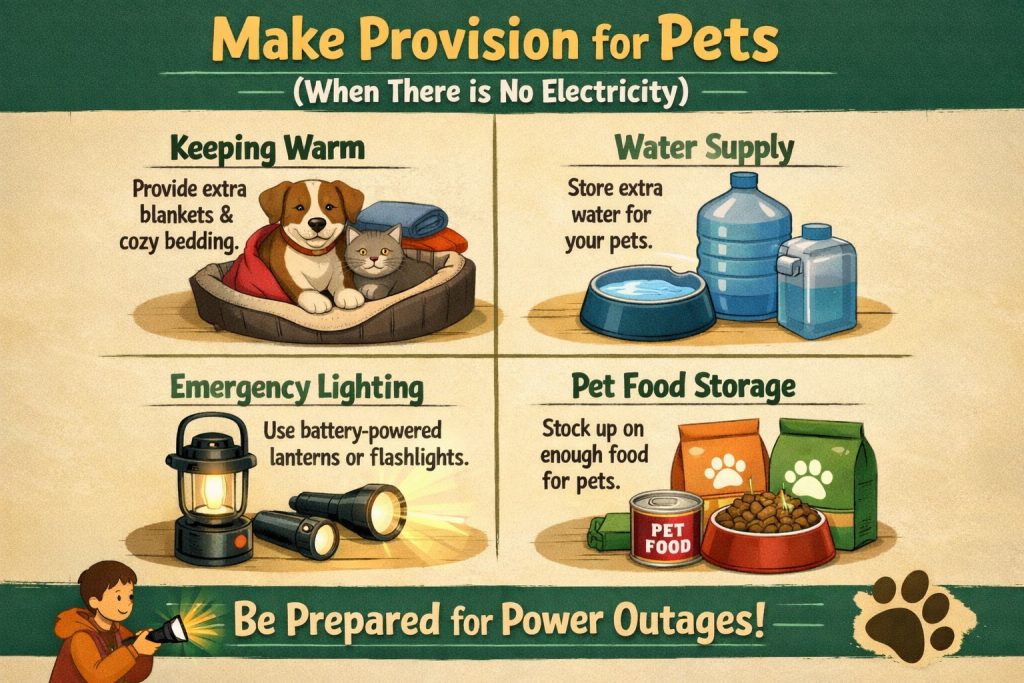
Meanwhile, pets lose water and routine.
Trash and litter begin to pile up.
As supplies run low, candles burn out.
Soon after, matches are gone.
Without light, stairs become dangerous.
Because of this, falls become more likely.
Day 9: Real Risk
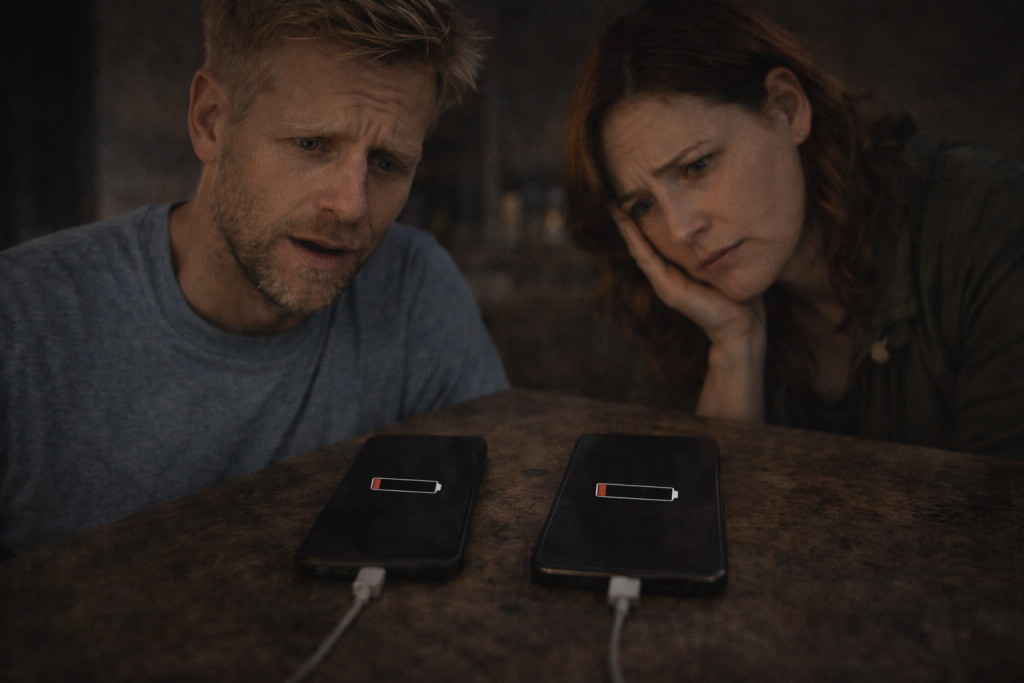
By day nine, phones are dead.
There is no news.
No weather updates.
No reminders.
Because of this, thinking feels harder.
Stress rises quickly.
For some people, breathing becomes difficult.
At the same time, the building feels empty.
Not peaceful.
Just quiet.
Most importantly, dependents feel it first.
Pets.
Older adults.
People with medical needs.
What Prepared Living Looks Like
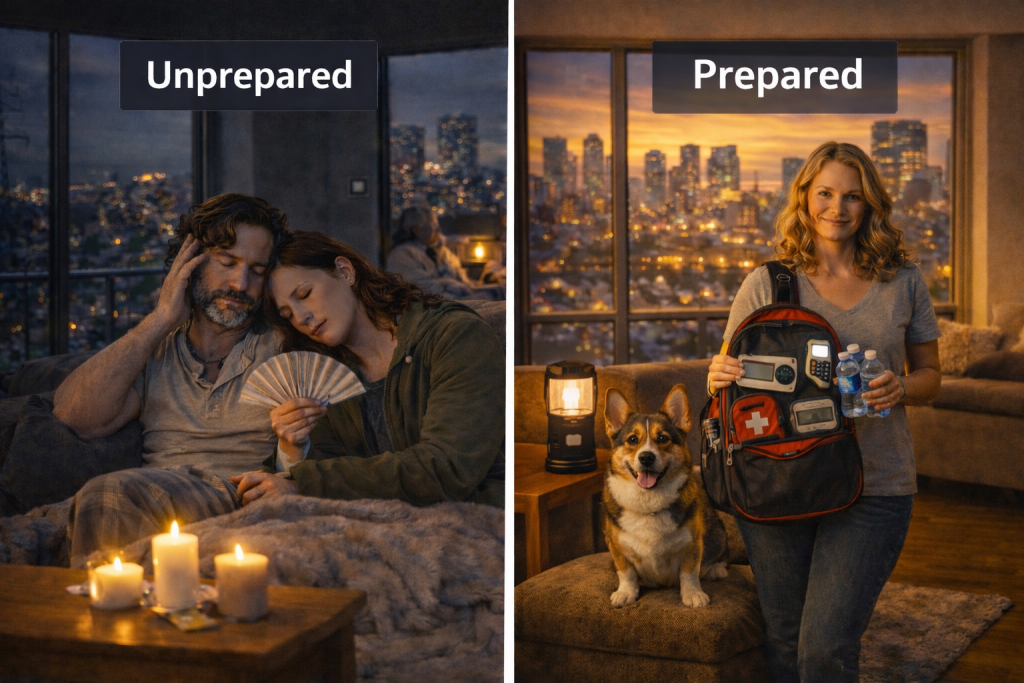
Across the hall, one neighbor planned ahead.
Not in panic.
Instead, with care.
First, water was stored early.
Next, lighting worked without hands.
Batteries were labeled.
Power use was planned.
Food lasted without cooking.
Meanwhile, warmth came from blankets and sealed rooms.
Medication plans were printed.
Extra supplies were ready.
As a result, pets ate on schedule.
Routine stayed steady.
Above all, one rule guided everything:
Never let essentials drop below one week.
Think in Systems, Not Stuff
Preparedness is not about buying more.
Instead, it is about planning better.
First, think about basic needs.
Then, ask how each works without power.
Core Systems to Prepare
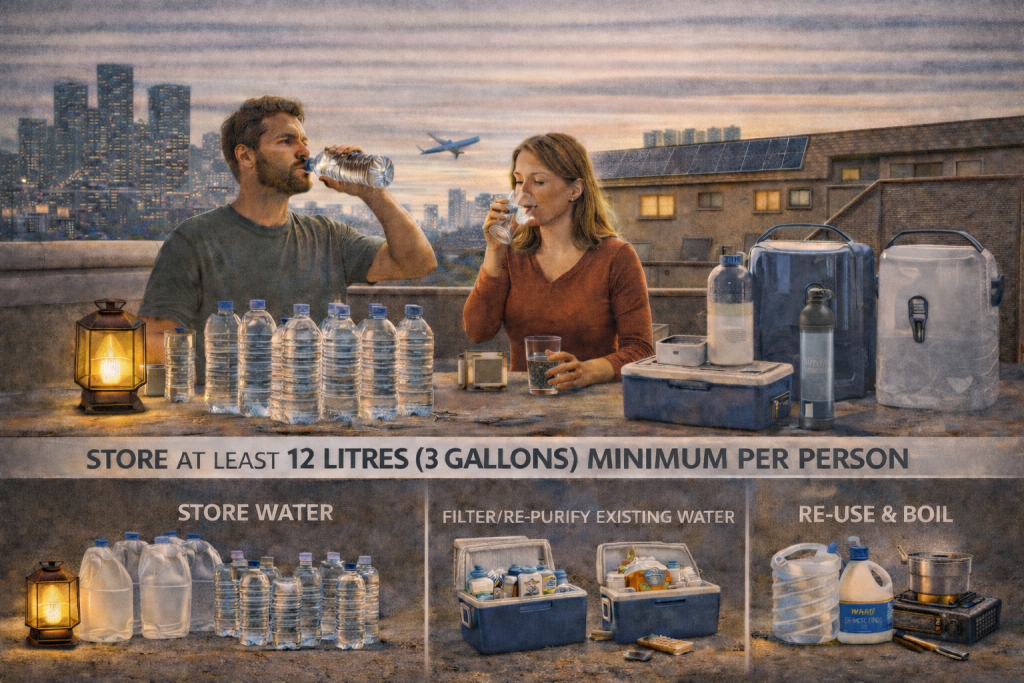
Water
First, store at least 12 liters (3 gallons) per person.
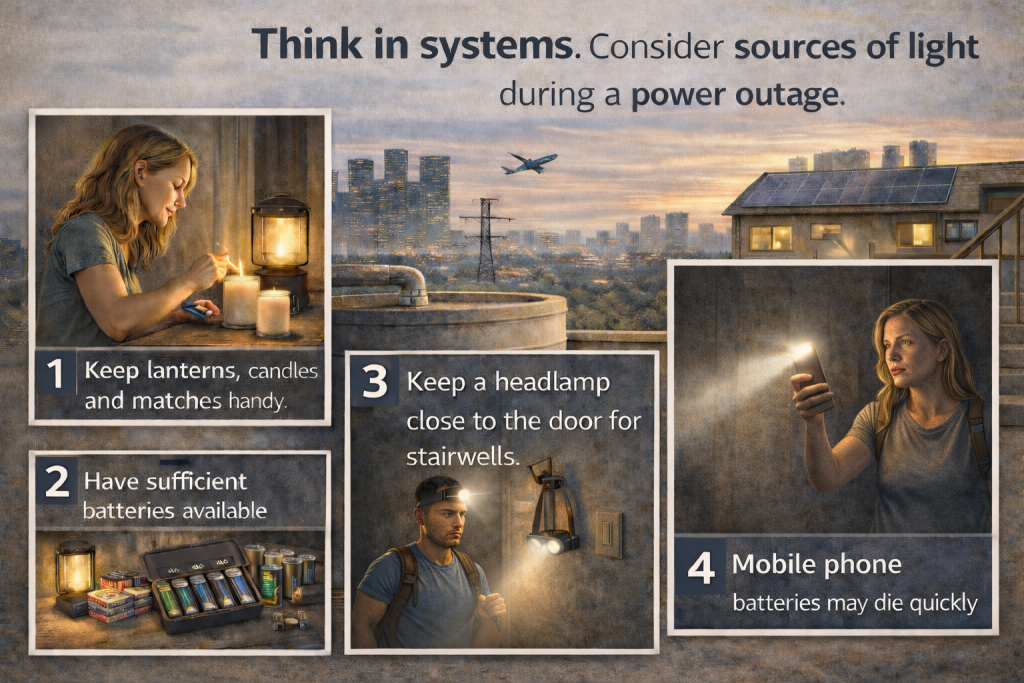
Light
Next, use lanterns and headlamps.
Whenever possible, avoid open flames.
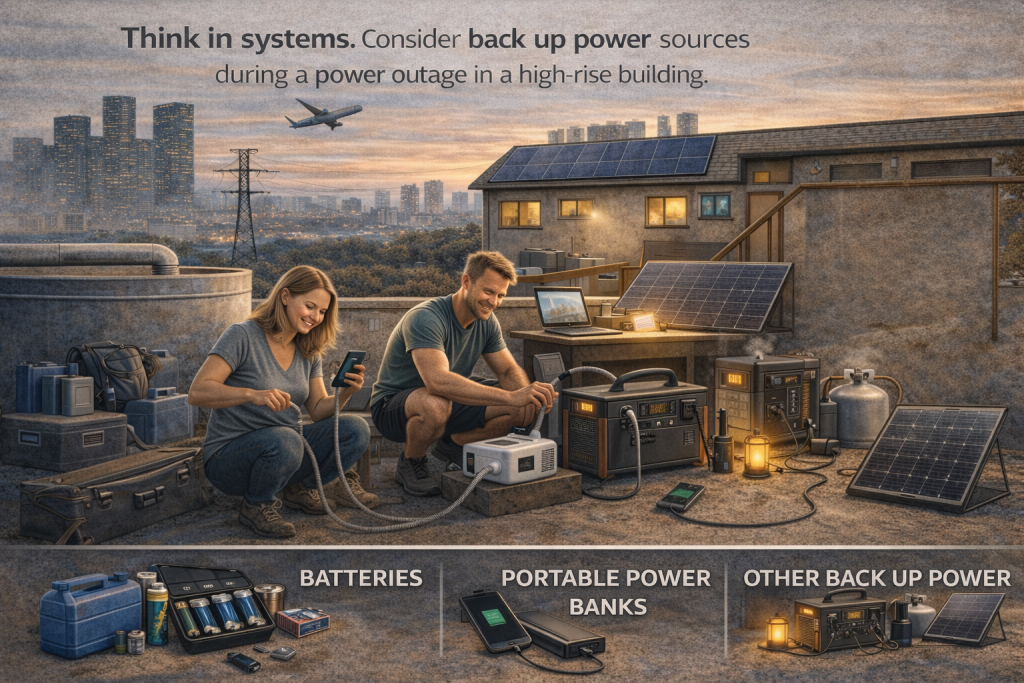
Power
If possible, use backup power.
Otherwise, rely on power banks.
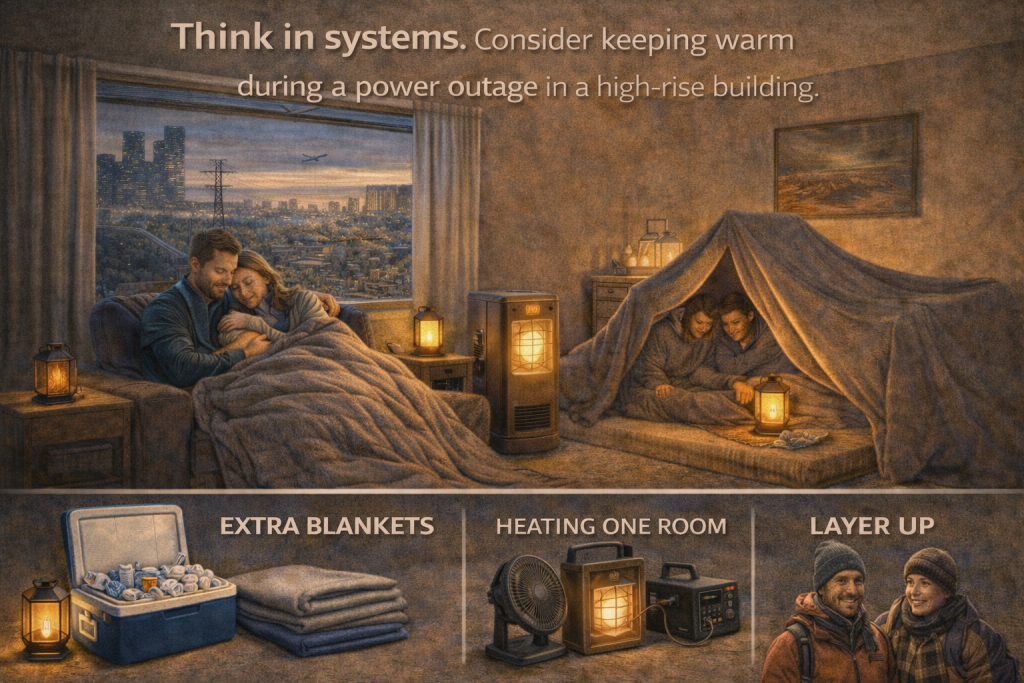
Heat
To stay warm, seal one room.
Then, use layers and blankets.
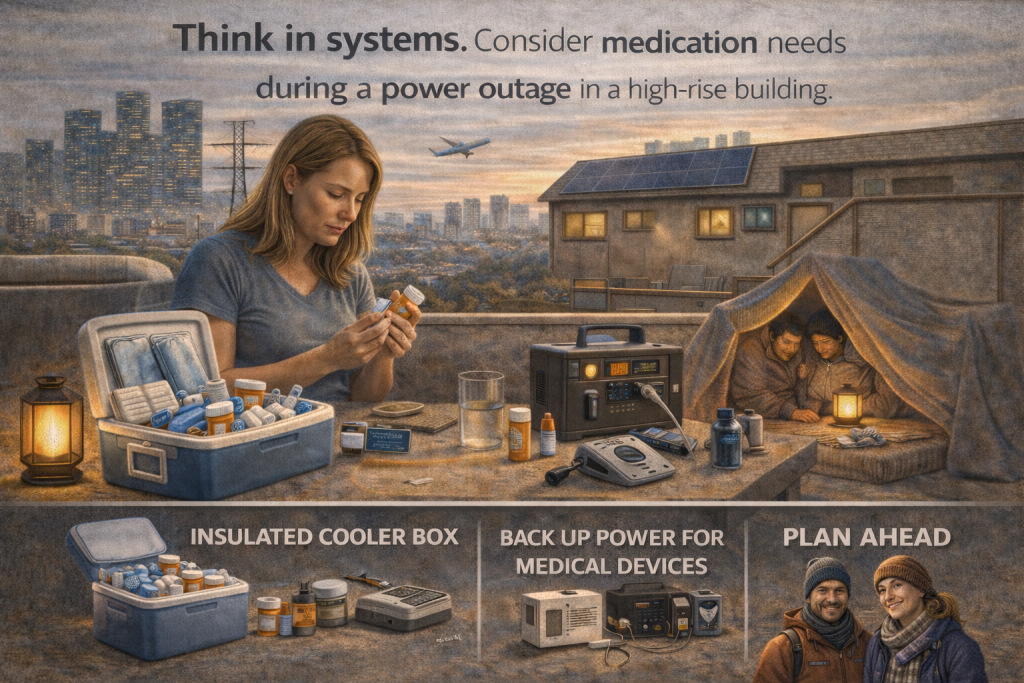
Medication
When allowed, keep extra supply.
In addition, use paper instructions.
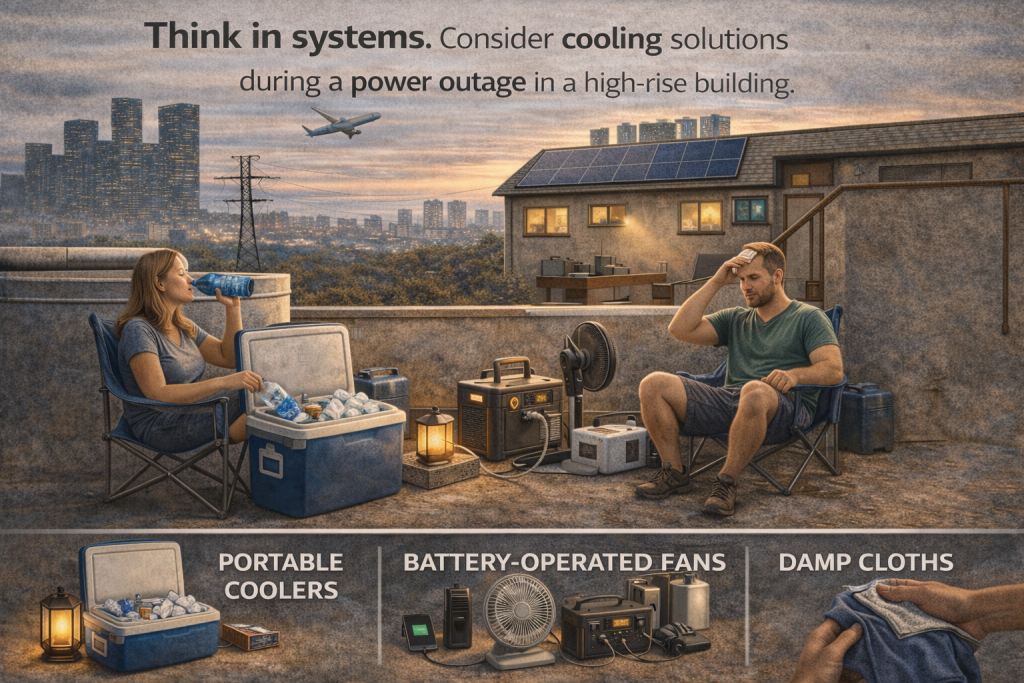
Cooling
During heat, use cooler bags.
Also, plan airflow and fans.
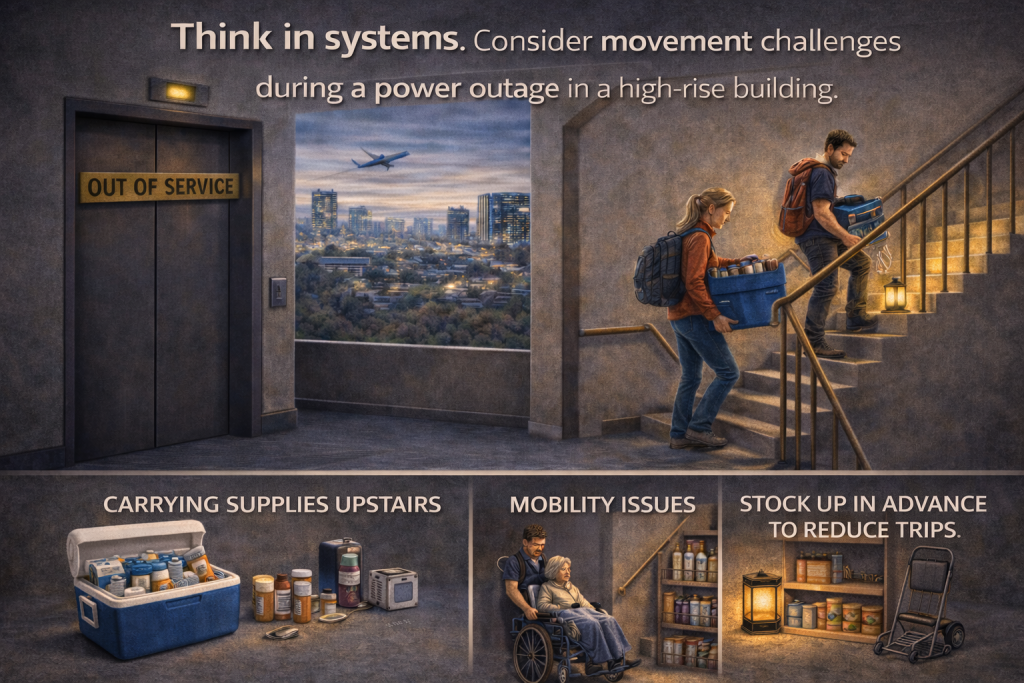
Movement
To reduce risk, store supplies early.
As a result, stair trips decrease.
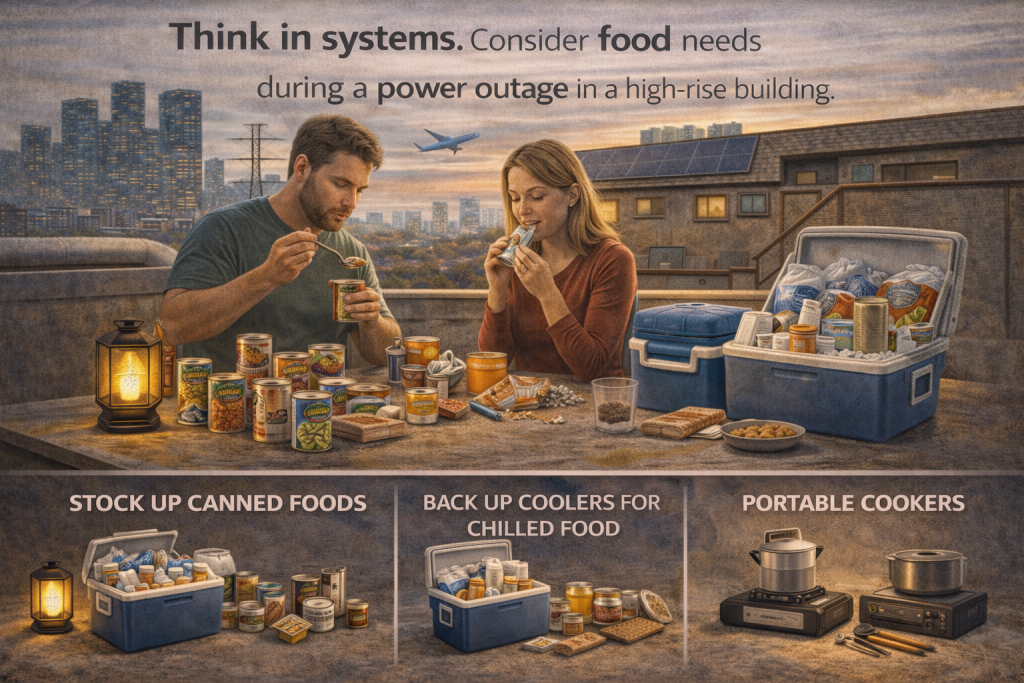
Food
For simplicity, choose food that needs no cooking.
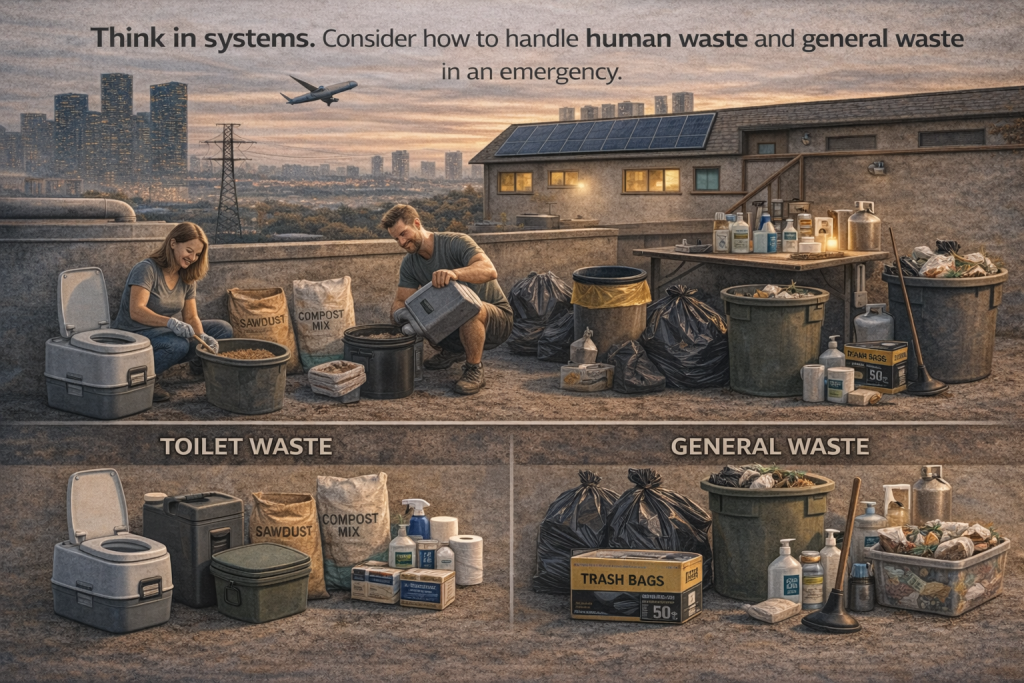
Waste
If toilets don’t flush and bins don’t get emptied, you need to manage your own waste.
Pets
Just as important, prepare food, water, and waste plans.
Finally, use a strong backpack.
Carry systems matter.
Questions to Ask Yourself
So, what floor do you live on?
If elevators stop, what fails first?
If water stops, what breaks next?
If power stays out, what is hardest to carry?
The good news is this:
You do not need to fix everything today.
Instead, start small.
Over time, small steps add up fast.
Watch the Story on YouTube
This guide is based on a Fortilience story.
While this page explains the systems,
the video shows them failing in real time.
As a result, risks feel more real.
Preparation feels more urgent.
 Watch our Power Outage video on YouTube
Stories build awareness.
Guidance turns awareness into action.
Fortilience
Strength.
Resilience.
Guidance that turns foresight into action.
0 Comments